



Humanoid robot battery strategies are diverging: battery swapping versus fast charging—where should PACK manufacturers align themselves?
In 2026, the humanoid robot industry is experiencing a critical turning point. TrendForce data shows that most of the battery pack capacity used by humanoid robots is less than 2kWh, the battery life is about 2 to 4 hours, and the working time of Unitree G1 is only about 2 hours.. To replace Labor in industrial scenarios, you must have at least 8-hour shift operation capability.. Limited by weight and energy density, manufacturers began to focus on fast charging and power changing to shorten downtime..
The two technical routes are diverging. One is the integrated battery design of the fuselage: Tesla OptBoth imus and Figure AI Figure 03 integrate about 2.3kWh batteries into the trunk structure. Figure 03 can run for up to 5 hours and supports 2kW fast charging.. Another is the power exchange route: Boston Dynamics Atlas can run for about 4 hours in conventional operation and can replace the battery within 3 minutes. UBTECH Walker S2 also adopts the automatic power exchange scheme for about 3 minutes, the goal is to achieve 24-hour continuous operation..
No matter which route, new engineering requirements are put forward for PACK factory. The fuselage integration scheme requires battery pack to meet both high energy density and high power output under extremely thin thickness, which puts forward extremely high requirements for cell selection and structural design. The power exchange scheme requires battery pack to have standardized mechanical interfaces and communication protocols, and at the same time ensure the connection reliability under frequent plugging and unplugging.
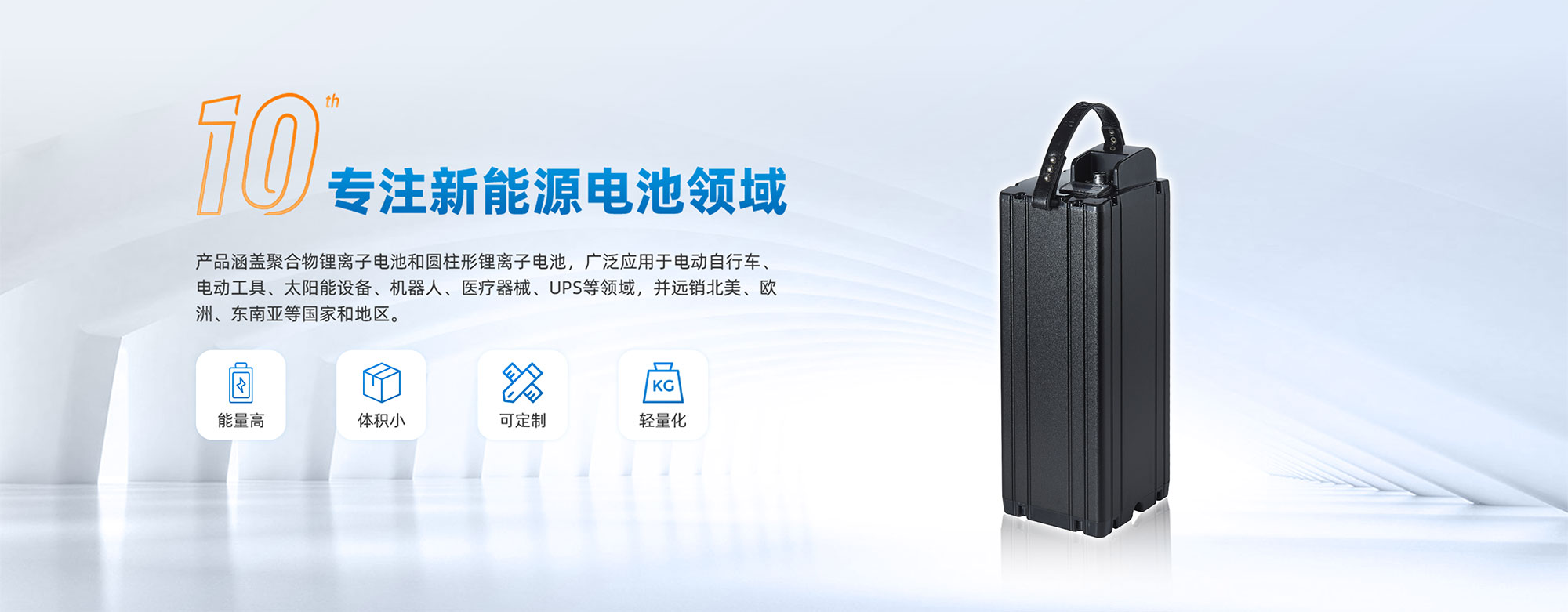
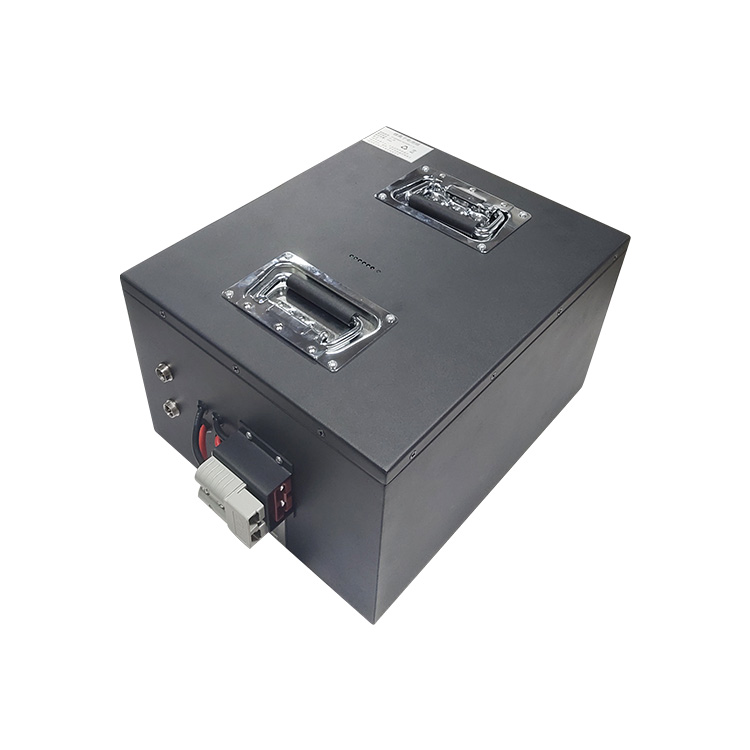
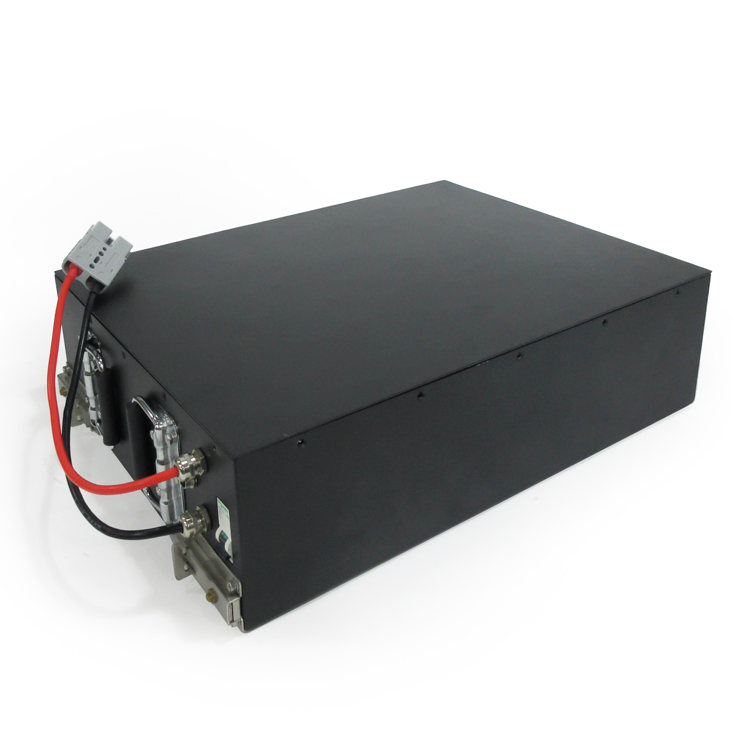
Dongguan Juneng New Energy Technology Co., Ltd. is in lightweight battery pack customization have actual project accumulation. The company's S Series batteries for logistics unmanned aerial vehicles compress the thickness to 6mm,Using flexible circuit board instead of traditional wiring harness, this engineering capability can be directly migrated to the trunk integrated battery design of humanoid robot. At the level of BMS communication, energy gathering new energy adopts the "One scenario one strategy" approach, which can provide customized docking solutions for different communication protocols. IBK Investment & Securities analysis believes that the early layout will focus on high-power small battery pack, BMS, thermal management, high-current connectors and automatic power exchange systems.. For equipment manufacturers who are laying out the humanoid robot business, it is much wiser to choose a PACK partner who can give a solution in both lightweight and BMS communication dimensions than to wait until the product is finalized and find a battery.

 Dongguan Juneng New Energy Technology Co., Ltd.
 137 5142 6524(Miss Gao)
 susiegao@power-ing.com
 Xinghuiyuan High tech Industrial Park, Dalang Town, Dongguan City, Guangdong Province

 Yue Gong Wang An Bei No. 4419002007491