



Carbon tariffs enter the payment phase: How should lithium-battery exporters calculate their carbon footprint?
In 2026, the EU carbon border regulation mechanism (CBAM) has entered the stage of paid-in taxation. At the same time, the EU's new battery law has been fully implemented. Since February 2027, all power batteries entering the EU market must be accompanied by "battery passports" to fully record the carbon footprint of the whole life cycle.
This is not a compliance requirement of the future. EU CBAM and new battery law require imported products to provide carbon footprint reports based on "hour-level green electricity physical matching" and "region-specific emission factors. Industrial batteries with a capacity greater than 2kWh must have a carbon footprint statement and a battery passport to enter the market, which means that the green manufacturing capacity of energy storage enterprises has completely changed from bonus points to a necessary option to enter high-end markets such as Europe.
The compliance white paper released by SGS pointed out that EU ESPR, EUBR, CBAM and other regulations are superimposed to form green barriers throughout the life cycle. Enterprises are generally faced with the problems of compliance fragmentation, difficulty in landing, and high cost. the synchronous EUBR regulations require batteries to be equipped with battery passports with nearly 90 items of data to complete carbon footprint accounting and verification of recycled materials.
For lithium battery export enterprises, carbon footprint accounting is not simply "fill in a few forms". It needs to be traced back from cell suppliers, material suppliers and even more upstream mineral links, and the carbon emission data in each link must be able to withstand verification. If the PACK factory does not have data collection and carbon footprint management capabilities, it is difficult for downstream export enterprises to complete the preparation of compliance documents within the delivery period.
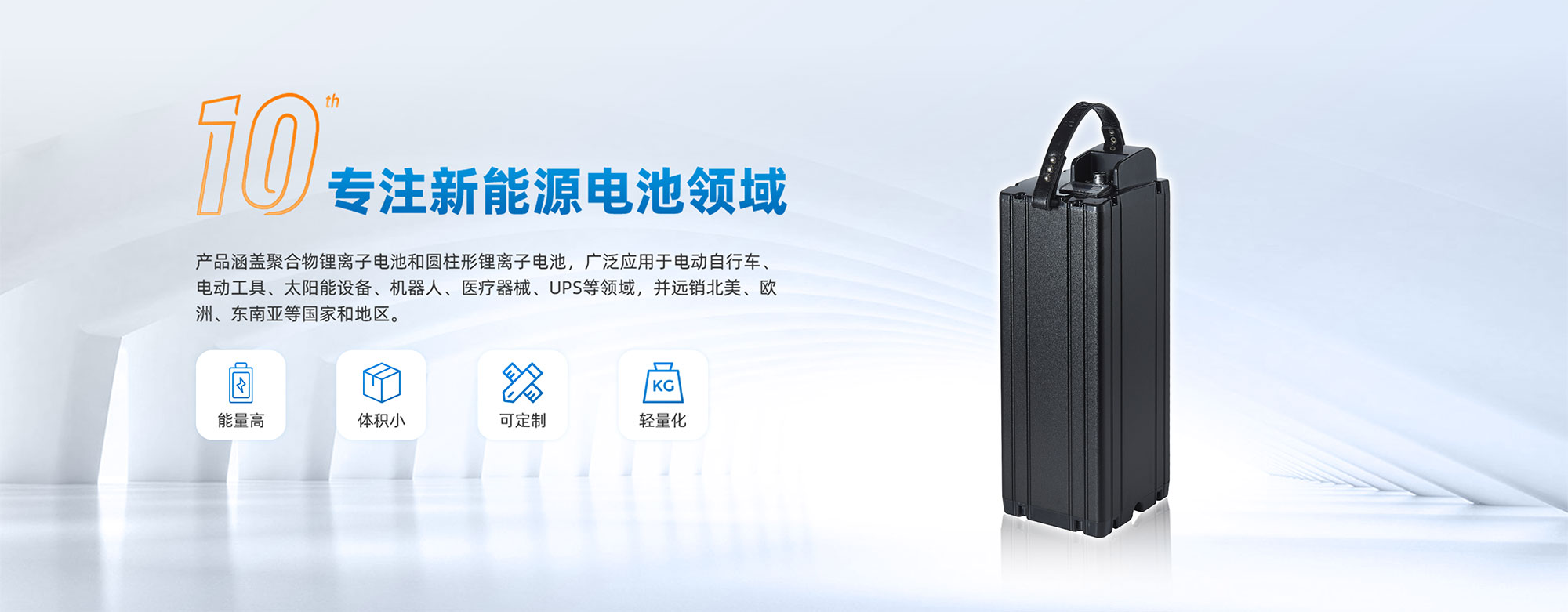
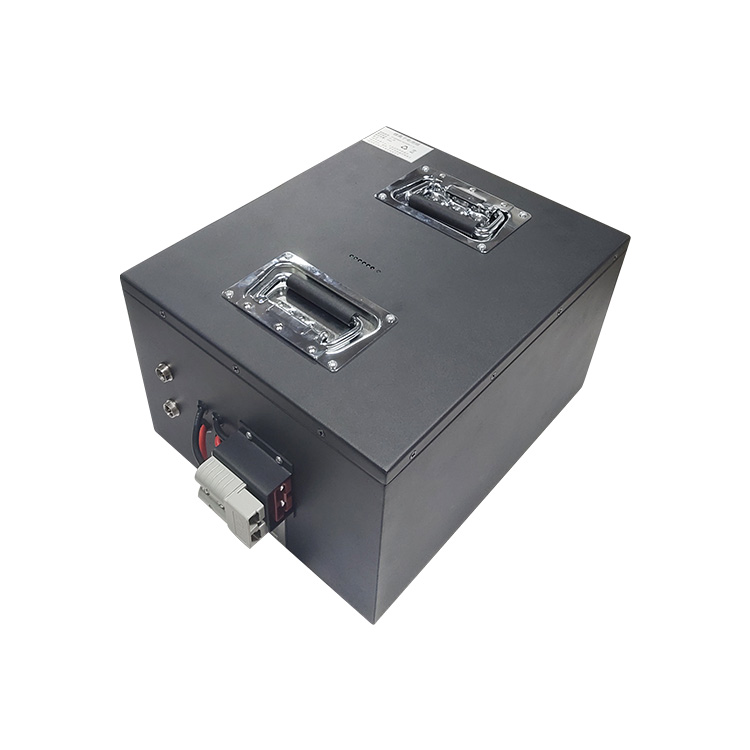
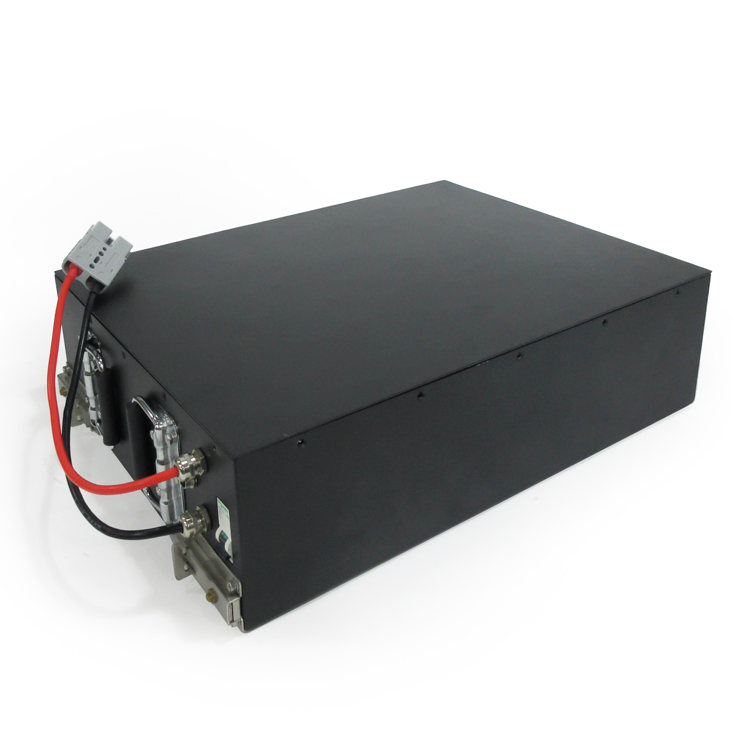
Dongguan Juneng New Energy Technology Co., Ltd. chose to lay out in advance on this matter. The company's products are exported to North America, Europe and Southeast Asia. In the design stage of battery pack, it provides product solutions according to the user's use environment and local certification standards, and has accumulated UL, CE, UN38.3, roHS and other international standards certification experience. Facing the compliance requirements of EU carbon tariff and new battery law, energy gathering new energy is integrating the collection and management of carbon footprint data into the whole life cycle management process of battery pack.
for equipment manufacturers that are expanding the EU market, choose PACK partners A question worth asking is: Can your cell suppliers provide carbon footprint data based on region-specific emission factors? Suppliers who can answer this question are usually more trustworthy than those who only say "We comply with RoHS.
Contact Information:
dongguan Juneng New Energy Technology Co., Ltd.
Contact: Gao Yan 137-5142-6524
email address: susiegao@power-ing.com
address: xinghuiyuan high-tech industrial park, Dalang town, Dongguan city, Guangdong province

 Dongguan Juneng New Energy Technology Co., Ltd.
 137 5142 6524(Miss Gao)
 susiegao@power-ing.com
 Xinghuiyuan High tech Industrial Park, Dalang Town, Dongguan City, Guangdong Province

 Yue Gong Wang An Bei No. 4419002007491