

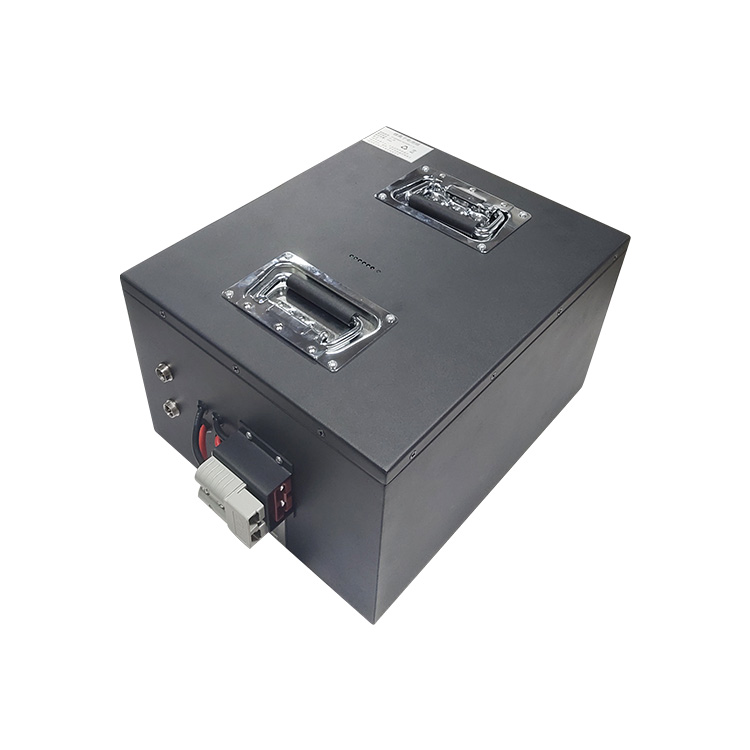


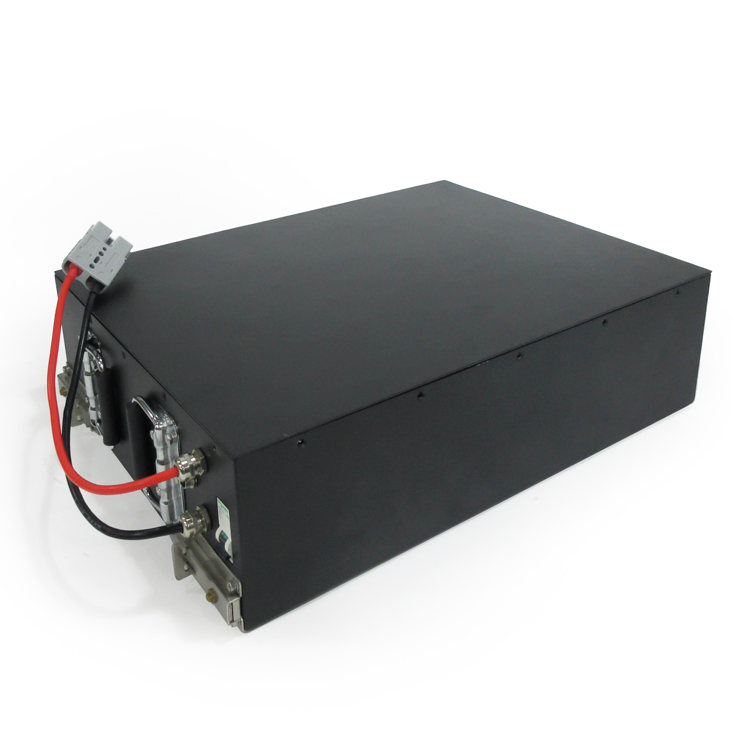
28V/10Ah Airborne Equipment Battery Solution
With the diversification and complexity of modern avionic equipment, the performance requirements of airborne equipment for power system are increasing day by day. As the key to ensure the stable operation of airborne equipment, the design of battery scheme must give consideration to high energy density, reliability, safety and environmental adaptability. This article will focus on the battery scheme of 28V/10Ah airborne equipment, and introduce in detail the design principle, core composition, performance characteristics and application advantages of the battery system to help understand its important role in airborne equipment.
I. Overview of battery solutions
28V/10Ah airborne equipment battery the solution usually refers to a battery system with an output voltage of 28V and a capacity of 10 ampere hours, which provides stable and lasting power support for all kinds of electronic equipment on the aircraft. This kind of battery system is widely used in avionic systems, communication equipment, navigational instruments, unmanned aerial vehicles and other auxiliary electronic equipment to ensure continuous power supply of equipment during flight and ensure flight safety and mission completion.
II. Design principles
the design of 28V/10Ah airborne battery solution must follow the following core principles:
- high energy density: ensure that the volume and weight of the battery are minimized and adapt to the airborne environment with limited space.
- Safe and reliable
- Strong environmental adaptability: able to withstand high and low temperature, vibration and pressure changes, suitable for complex and changeable aviation environment.
- Efficient charge and discharge performance: meet the demand of airborne equipment for instantaneous large current and continuous power supply.
- Long service life and convenient maintenance: extend battery life, simplify maintenance process, and reduce operating costs.
III. Core components
the 28V/10Ah airborne battery solution mainly consists of the following parts:
1. Battery monomer
high-performance lithium ion battery or lithium iron phosphate battery monomer are usually selected. These two battery types have the advantages of high energy density, long cycle life and good safety performance. Battery cells realize the demand of 28V voltage and 10Ah capacity through series-parallel combination.
2. Battery management system (BMS)
3. Protection circuit
it integrates multiple protection circuits, including overvoltage protection, Undervoltage protection, overcurrent protection and temperature protection to ensure the safety of batteries and equipment to the greatest extent.
4. Mechanical structure and shell
the battery shell is made of lightweight and high-strength materials, which has good impact resistance and protection performance and meets the dual requirements of aircraft for weight and safety. At the same time, the shell design considers the heat dissipation performance to ensure the reasonable temperature control of the battery during the working process.
5. Connector and interface
in order to ensure good connection with airborne equipment, the battery scheme is equipped with aviation special connectors with high reliability to ensure stable electrical connection and prevent poor contact caused by vibration or environmental factors.
IV. Performance characteristics
1. Stable output voltage
the output voltage of 28v meets the voltage requirements of various airborne equipment, ensures the normal operation of the equipment, and avoids equipment failure caused by voltage fluctuation.
2. Large capacity and high energy density
the capacity of 10Ah provides long-term stable power supply for airborne equipment, supports long-term operation of equipment, and meets flight mission reguirement. Meanwhile, high energy density battery monomer is adopted to effectively control the volume and weight of battery pack.
3. Excellent charge and discharge performance
the battery can support high rate charging and discharging, quickly respond to the changes of power demand of airborne equipment, and ensure that the equipment has sufficient power support at critical moments.
4. Wide temperature working range
the design is suitable for a wide temperature range from-40℃ to + 60℃ to ensure that the battery can work normally in various climate and flight environments.
5. High safety standards
it meets the strict safety standards and certification requirements of the aviation industry, such as RTCA DO-311 and DO-160, to ensure the safety and reliability of the battery system in harsh environments.
V. Application advantages
1. Ensure the stable operation of the avionic system
as an important power source of avionic system, 28V/10Ah battery solution ensures continuous power supply of key equipment such as navigation, communication, monitoring and so on, ensuring the safety and smooth flight.
2. Adapt to complex flight environment
after strict environmental adaptability test, the battery solution can withstand complex conditions such as vibration, impact, high altitude and low temperature, ensuring the normal operation of the equipment without being affected by the environment.
3. Reduce maintenance costs
efficient battery management system and modular design simplify maintenance process,It is convenient for rapid detection and replacement, and reduces the maintenance difficulty and cost of airborne equipment.
4. Improve equipment reliability
stable power supply supports the overall reliability of hoist loading equipment, reduces faults and downtime caused by power supply problems, and improves aircraft operation efficiency.
5. Lightweight design
by optimizing the battery material and structure design, lightweight is realized, which is helpful to reduce the overall weight of the aircraft and improve the fuel efficiency and load capacity.
VI. Key points of Technical implementation
1. Battery pack design and configuration
according to the power requirements of airborne equipment, the number of batteries in series and parallel should be reasonably configured to ensure that the output voltage and capacity meet the requirements, and the internal connection of the battery pack should be optimized to reduce internal resistance and improve efficiency.
2. Intelligent battery management
the BMS software algorithm needs to accurately control the charging and discharging process, conduct battery capacity estimation, battery health management and fault diagnosis, and improve the intelligence level of the system.
3. Heat dissipation scheme design
combined with the heat dissipation conditions of aircraft engine room, effective heat dissipation structure is designed or phase change materials are adopted to prevent the battery from overheating and ensure stable performance.
4. Standardization of mechanical and electrical interfaces
the mechanical structure and electrical interface conforming to aviation standards are adopted to ensure compatibility with airborne equipment and installation convenience.
5. Safety testing and certification
carry out strict safety tests, including short circuit test, overcharge and overdischarge test, vibration and impact test, to ensure that the battery scheme meets the safety certification requirements of civil aviation and military aviation.
With its high energy density, stable power supply and excellent environmental adaptability, the battery scheme of 28V/10Ah airborne equipment has become an indispensable power guarantee for modern avionic systems. Through reasonable design and strict safety management, this scheme not only meets the demand of airborne equipment for high-performance power supply, but also provides solid protection for flight safety.Barrier.

 Dongguan Juneng New Energy Technology Co., Ltd.
 137 5142 6524(Miss Gao)
 susiegao@power-ing.com
 Xinghuiyuan High tech Industrial Park, Dalang Town, Dongguan City, Guangdong Province

 Yue Gong Wang An Bei No. 4419002007491